




FIFO is the best method to use for accounting for your inventory because it is easy to use and will help your profits look the best if you’re looking to impress investors or potential buyers. It’s also the most widely used method, making the calculations easy to perform with support from automated solutions such as accounting software. Yes, FIFO is still a common inventory accounting method for many businesses. It’s required for certain jurisdictions, while others have the option to use FIFO or LIFO. Good inventory management software makes it easy to log new orders, record prices, and calculate FIFO.
LIFO Example
This is often required for audited financial fifo calculation method statements and helps you make informed business decisions. Accurate ending inventory calculations directly impact your COGS, which in turn affects your gross profit and net income. This information is vital for understanding your business’s profitability and financial health. Theoretically, in a first in, first out system, you’d sell the oldest items in your inventory first. With the FIFO method, you sell those older products first—ensuring that all items in your inventory are as recent as possible. Applying this method to the rest of the sales for the allotted time period, we see that the total cost of all goods sold for the quarter is $4,000.
Leave inventory management to the pros (ShipBob)

Choosing—and sticking to—an inventory valuation method to measure these amounts is essential in keeping https://www.bookstime.com/ tax-ready books. We reconcile, review, and repeat until your finances are CPA ready so you don’t have to. There are other valuation methods like inventory average or LIFO (last-in, first-out); however, we will only see FIFO in this online calculator. When a business buys identical inventory units for varying costs over a period of time, it needs to have a consistent basis for valuing the ending inventory and the cost of goods sold. The price on those shirts has increased to $6 per shirt, creating another $300 of inventory for the additional 50 shirts.
- Higher net income also means higher retained earnings, which can be reinvested into the business or used to pay down debt, further improving cash flow.
- During periods of inflation, FIFO can affect financial statements in several ways.
- This approach typically results in a lower Cost of Goods Sold (COGS) and a higher gross profit compared to other inventory valuation methods.
- Failing to factor in shrinkage can inflate your ending inventory figures and overstate your income statement numbers.
- In contrast to the FIFO inventory valuation method where the oldest products are moved first, LIFO, or Last In, First Out, assumes that the most recently purchased products are sold first.
Difference Between FIFO and LIFO

To think about how FIFO works, let’s look at an example of how it would be calculated in a clothing store. Jami Gong is a Chartered Professional Account and https://x.com/BooksTimeInc Financial System Consultant. She holds a Masters Degree in Professional Accounting from the University of New South Wales. Her areas of expertise include accounting system and enterprise resource planning implementations, as well as accounting business process improvement and workflow design. Jami has collaborated with clients large and small in the technology, financial, and post-secondary fields. Sal’s Sunglasses is a sunglass retailer preparing to calculate the cost of goods sold for the previous year.
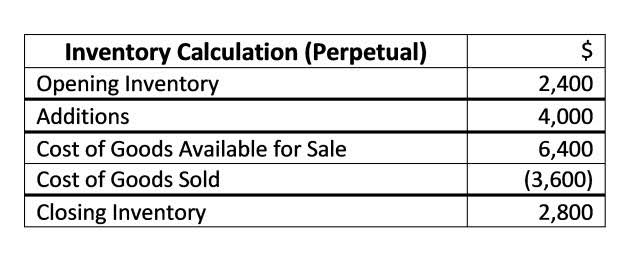
How to use FIFO for ending inventory calculation?
- It’s also the most widely used method, making the calculations easy to perform with support from automated solutions such as accounting software.
- Bertie also wants to know the value of her remaining inventory—she wants her balance sheet to be accurate.
- Third, we need to update the inventory balance to account for additions and subtractions of inventory.
- It helps identify overstocked items and areas where you can reduce excess products to save money.
Consider the following practices to ensure your FIFO calculations are accurate and up to date.
Gross profit ending inventory calculations
The gross profit method provides an estimated approach to calculating ending inventory when a physical count isn’t feasible. This technique relies on your business’s historical gross profit margin, which is your gross profit expressed as a percentage of net sales. During periods of inflation, it may not accurately reflect current market prices, potentially leading to misleading valuations. Your business’s approach to inventory management, your use of inventory management software, and your other accounting goals will determine which method is best. Calculating ending inventory requires a full physical inventory count.


